Instagram for restaurants and cafés: what to post and how often
Reels, carousels, stories, behind-the-scenes, dishes, team: content ideas and a posting rhythm to keep your restaurant or café's Instagram account alive.
For a restaurant or café, Instagram is often customers’ second reflex after Google Maps: they want to see the dishes, the atmosphere, the terrace. A lively, consistent account makes people want to come; an account abandoned for six months raises doubts. You don’t need to spend hours on it: what matters is consistency and a few good formats.
Define your editorial line
Before posting, pin down three things:
- Your promise: seasonal cooking, speciality coffee, family atmosphere, creative cocktail bar…
- Your tone: warm, chic, quirky, committed.
- Your recurring topics: four or five themes you will come back to often.
This foundation stops you posting at random and makes your account recognisable. It builds on your brand identity, which we cover in our article on visual brand guidelines.
Content that works for restaurants
- Dishes: dish of the day, new menu, a signature dish filmed as it is plated.
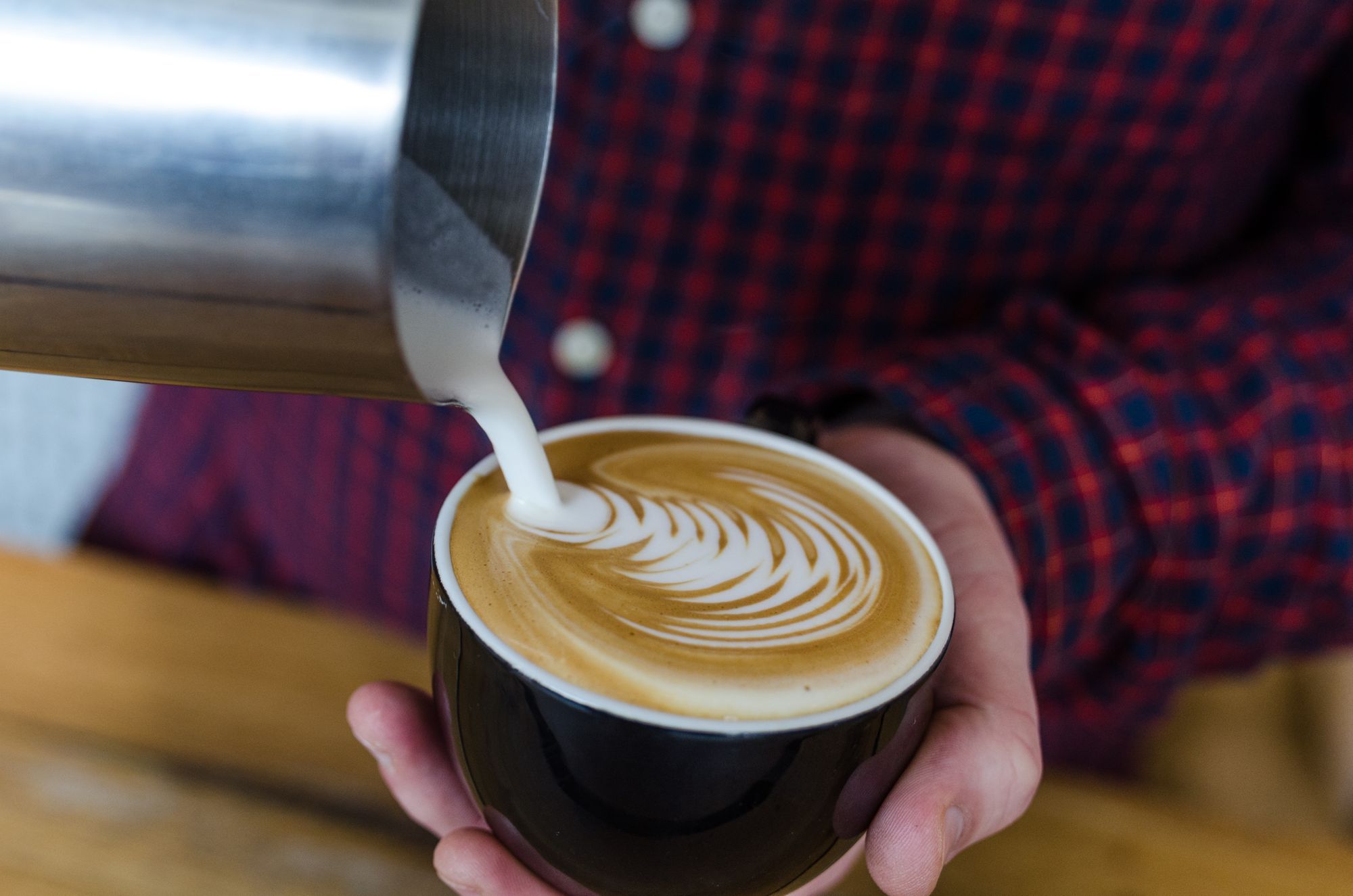
- Behind the scenes: morning prep, deliveries arriving, the barista pouring latte art.
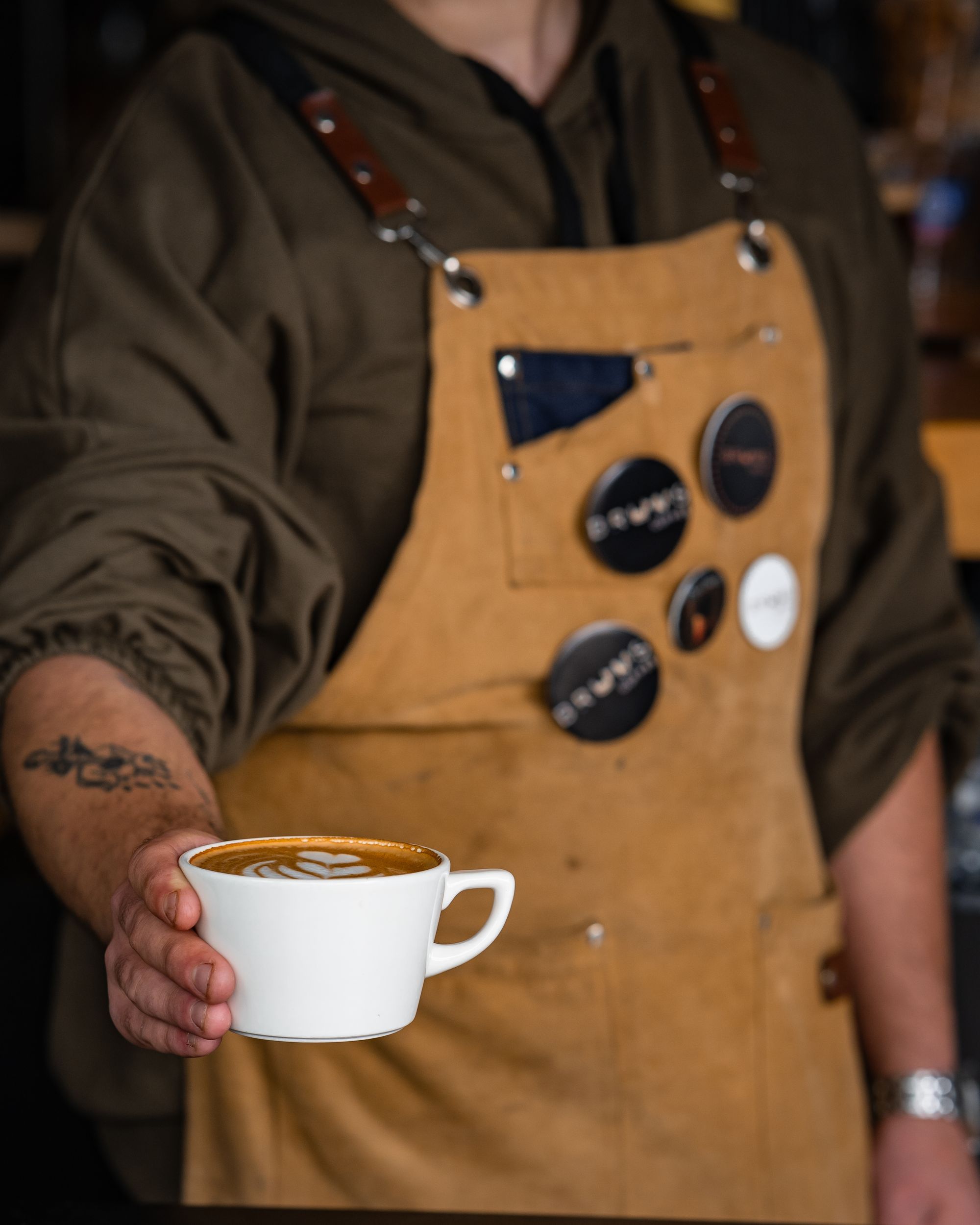
- The team: introducing the chef, a server, the pastry cook makes the venue human.
- Producers: where your ingredients come from, who your local suppliers are.
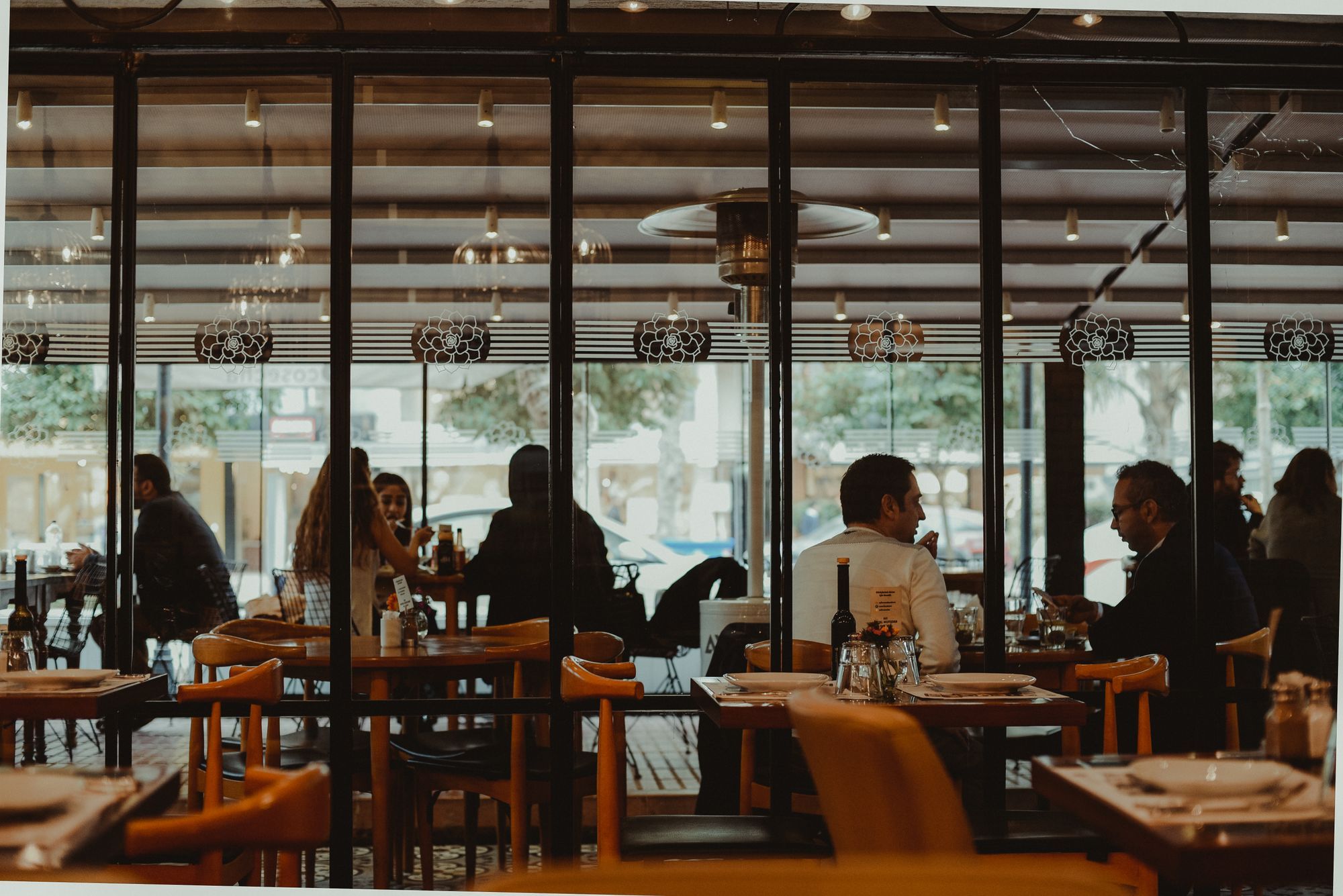
- Atmosphere: a full room on a Friday night, the sunny terrace, a themed evening.
- Practical info: summer hours, annual closure, upcoming event.
- Your customers: reposting (with their permission) photos where they tag you.
Formats to favour
- Reels (short vertical videos) often reach people who don’t follow you yet. A few seconds are enough: plating, a gesture, a before-and-after.
- Carousels are perfect for presenting a new menu, a seasonal set menu or “5 things to know about our café”.
- Stories are for day-to-day updates: dish of the day, tables free tonight, a poll on the next dessert. Save the most useful ones as highlights (menu, directions, bookings).
How often to post?
A pace you can sustain beats a burst followed by three months of silence. To start:
- 2 to 3 posts a week (Reels and carousels);
- stories several times a week, or every service day;
- a fixed slot each week to prepare content in advance.
Plan a simple monthly calendar around your key moments: new menu, school holidays, festive season, tourist peak.
Better smartphone photos and videos
- Favour natural light, near a window or on the terrace.
- Clean up the frame: no crumpled napkins or bottles in the background.
- Shoot vertically for Reels and stories.
- Keep a consistent colour and style from one post to the next.
If you are short on time, one professional photo shoot per season gives you an image bank for months.
Turning followers into customers
The goal isn’t followers, it’s full tables. Remember:
- a booking or ordering link in your bio;
- clear calls to action: “Book your table for Friday”, “Come and try the new dessert”;
- replying to comments and messages quickly;
- connecting Instagram with your Google profile and website.
Frequently asked questions
Should I advertise on Instagram? It isn’t essential at first. A small local campaign can, however, help promote an opening or an event. See our guide to your first Meta Ads campaign.
What about TikTok? If you are comfortable on video and have a young clientele, TikTok can be worthwhile. Start by reusing your Reels.
Let’s do it together
We can define your editorial line, create your visuals and help you post consistently. Discover our content creation and branding service and how we support restaurants and cafés. Your first audit is free.